The Heartfelt Symbolism in Korean Wedding Ceremonies
Korean wedding ceremonies are a beautiful blend of tradition, symbolism, and heartfelt emotions. Steeped in cultural heritage, these ceremonies offer a unique glimpse into the values and customs that are cherished by Korean couples. From the vibrant Hanbok dresses to the meaningful rituals, every element of a Korean cultural wedding is thoughtfully designed to celebrate the union of two individuals and their families. Understanding the symbolism behind these traditions not only deepens the appreciation for the ceremony but also honors the rich heritage that shapes it.
In this article, we will explore the heartfelt symbolism in Korean wedding ceremonies, shedding light on the various traditions and their meanings. Whether you’re planning a wedding inspired by Korean customs or simply curious about these beautiful rituals, this guide provides insightful information and tips to appreciate the depth and beauty of Korean marriage rituals. Let’s embark on a journey through the meaningful wedding symbols that make Korean cultural weddings so special.
If you’re inspired by these traditions and feel drawn to connect with someone from a different cultural background, you might also consider exploring opportunities to Find Your Foreign Bride. Discovering love across borders can open the door to a rich and diverse life together, allowing you to share in each other’s heritage and create a truly unique love story.
Tips for Planning a Korean Cultural Wedding
Planning a Korean cultural wedding involves a delicate balance of honoring traditions while catering to personal preferences. Here are some ideas and tips to help you create a meaningful and seamless celebration:
- Research Traditions: Understand the significance behind each Korean wedding ritual and decide which ones resonate most with you and your partner. This knowledge will help you incorporate meaningful elements into your ceremony.
- Consult with Family: Engage your families in the planning process to ensure that important customs are respected and that everyone feels included in the celebration.
- Choose the Right Attire: Select Hanbok designs that reflect your personal style while adhering to traditional colors and patterns. Consider modern adaptations to add a unique touch.
- Blend Traditions: Combine traditional Korean elements with modern wedding practices to create a ceremony that honors your heritage and suits your individual tastes.
- Plan for Symbolism: Incorporate symbolic items like the Paebaek tray, bridal crown, and exchange of alcohol cups to infuse your wedding with meaningful rituals.
- Hire a Planner: Consider working with a wedding planner who specializes in Korean cultural weddings to ensure that all aspects are thoughtfully coordinated.
By thoughtfully integrating these tips, you can craft a wedding that not only respects cultural traditions but also celebrates your unique love story. Embracing the heartfelt symbolism in Korean wedding ceremonies allows couples to honor their cultural heritage while celebrating their unique union. From the vibrant Hanbok attire to the meaningful Pyebaek ceremony, each tradition plays a vital role in creating a memorable and symbolic celebration. Whether you are deeply rooted in Korean traditions or seeking to incorporate elements that resonate with you personally, understanding the significance behind these customs enriches the wedding experience. By blending traditional rituals with modern touches, couples can create a beautiful and meaningful celebration that reflects both their heritage and their individual journey together.
The Significance of Hanbok in Korean Weddings
The Hanbok, Korea’s traditional attire, plays a pivotal role in Korean bridal customs. For both the bride and groom, wearing Hanbok symbolizes a connection to their heritage and ancestry. The vibrant colors and elegant designs of the Hanbok represent joy, prosperity, and the hopeful beginnings of a new life together. The bride’s Hanbok often features a colorful jeogori (jacket) and a flowing chima (skirt), while the groom wears a simple yet dignified jeoguri paired with pants called baji.
Wearing Hanbok during the wedding ceremony not only enhances the visual beauty of the event but also serves as a tribute to Korean cultural identity. It reflects the couple’s respect for their traditions and their desire to honor their families. Additionally, modern adaptations of Hanbok are becoming increasingly popular, blending traditional elements with contemporary styles to suit various preferences while maintaining the essence of Korean bridal attire.
Choosing the right Hanbok involves understanding the symbolism behind the colors and patterns. Red and blue are common choices, each carrying its own meaning. Red signifies love, passion, and good fortune, while blue represents calmness, stability, and harmony. By carefully selecting their Hanbok, couples express their intentions and hopes for their future together.
Traditional Marriage Rituals: The Pyebaek Ceremony
The Pyebaek ceremony is one of the most cherished traditional Korean marriage rituals. Typically held after the main wedding ceremony, Pyebaek is a family-centered event where the bride pays respects to her new in-laws and seeks their blessings. During this ceremony, the bride offers dates and chestnuts to the groom’s family, symbolizing fertility and the hope for many children.
One of the unique aspects of Pyebaek is the playing of the decorative fan, known as buchae. The groom’s family throws pieces of the fan into the bride’s skirt, and she tries to catch them. The number of pieces she catches is believed to predict the number of children the couple will have. This playful interaction not only adds joy to the ceremony but also reinforces the bond between the two families.
Pyebaek emphasizes the importance of family ties and the integration of two families into one. It provides an opportunity for both families to connect, share blessings, and celebrate the union of their children. This ritual underscores the collective nature of Korean cultural weddings, where the support and approval of family members are integral to the couple’s happiness.
Traditional vs. Modern Korean Wedding Elements
| Aspect | Traditional | Modern |
|---|---|---|
| Attire | Hanbok with bridal crown | Western gowns mixed with Hanbok accessories |
| Ceremony | Pyebaek and symbolic rituals | Combination of Western and Korean rituals |
| Decorations | Traditional motifs and colors | Modern floral arrangements and lighting |
| Music | Traditional Korean music | Contemporary music and performances |
| Invitations | Handwritten or traditional designs | Digital invitations and creative designs |
Korean Bridal Customs: The Role of the Bridal Crown
The bridal crown, or “gwanmo,” is a stunning accessory that completes the Hanbok ensemble for the bride. Traditionally adorned with intricate designs and symbolic motifs, the bridal crown represents beauty, grace, and the bride’s role in the marriage. It is often embellished with family heirlooms, flowers, or delicate embroidery that holds personal significance. Wearing the bridal crown during the ceremony signifies the bride’s transition into her new role as a wife and her acceptance of the responsibilities that come with marriage. It also reflects the honor and respect bestowed upon her by her family as she joins her life with her groom’s family. You can learn more about the history and symbolism of these beautiful bridal accessories on the official website of The National Folk Museum of Korea, which offers detailed insights into traditional Korean wedding customs and attire.
In modern weddings, the bridal crown may be adapted to suit contemporary tastes, incorporating elements like beads, crystals, or minimalist designs while maintaining its traditional essence. This blend of old and new allows brides to express their individuality while honoring their cultural heritage. The Paebaek tray is an essential element in Korean weddings, serving as a symbolic gesture of blessings and prosperity. The tray typically holds various items such as dates, chestnuts, jujubes, and sometimes money or gifts from the groom’s family. Each item on the tray carries its own meaning, contributing to the overall symbolism of abundance and good fortune.
Dates and chestnuts, for example, symbolize fertility and the hope for many children, while jujubes represent sweetness in the couple’s life. The arrangement and presentation of the items on the tray are carefully considered to convey the desired blessings for the newlyweds. During the Pyebaek ceremony, the bride and groom interact with the Paebaek tray as part of the ritual. The groom’s family offers the items, and the bride receives them as a sign of their acceptance into the family and the shared hopes for their future together. This tradition highlights the importance of communal support and the collective wishes for the couple’s happiness.
Heritage Wedding Ideas: Incorporating Modern Elements
While traditional Korean wedding ceremonies are rich with symbolism, many couples today are finding creative ways to incorporate modern elements into their heritage wedding ideas. This fusion allows them to honor their cultural roots while expressing their unique personalities and contemporary tastes. One popular approach is blending traditional rituals with modern wedding practices. For example, couples might hold a traditional Pyebaek ceremony alongside a Western-style reception, creating a harmonious balance between old and new traditions. This combination provides a comprehensive celebration that resonates with both generations and diverse family members.
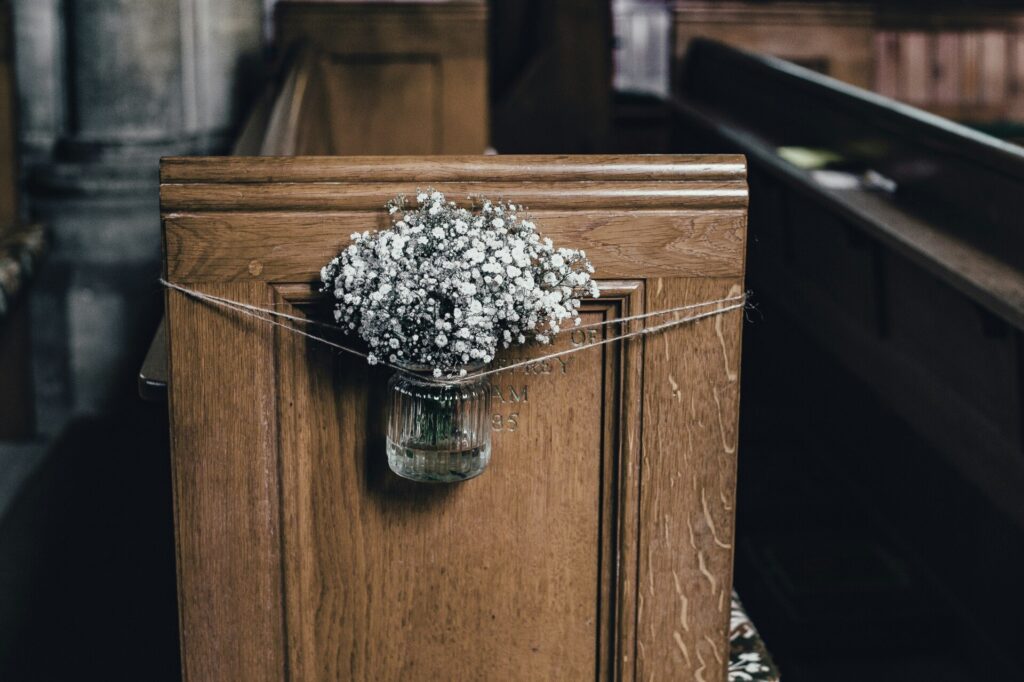
Another way to modernize a Korean cultural wedding is through the use of contemporary decorations, music, and themes. Incorporating modern floral arrangements, advanced lighting, and personalized vows can add a fresh and unique touch to the ceremony. Additionally, leveraging technology for invitations, live streaming, and photo sharing allows couples to share their special day with loved ones who may not be able to attend in person.
Embracing modern elements while maintaining the core aspects of traditional Korean marriage rituals enables couples to create a meaningful and memorable wedding that reflects both their heritage and their individual journey together.